Reprinted from Concerta diaries
Sitemeter lets me view the search words which result in a visit to my blogs.
At Christmas I noticed the funniest and most baroque strings of search words ever. Unfortunately I forgot what they were.
This last month I have been keeping a list.
And the search words that may have brought you here are-
Concerta, and many variations theron:
Including half of concerta 36
First day on concerta.
Many Varations on solicitor dissatisfaction:-
How can I complain about a Spanish Solicitor?
Notary altzheimers
(everyone of them?)
The Dangers searches, a popular way to reach my site, include-
Dangers of Gluten (twice)
Yeast dangers
Concerta dangers(thrice)
Dangers medication
Dangers of undermedication
Bread dangers.
I owe the last searcher for pointing me to this magnificent article on the dangers of bread. I’ve heard of addicts on the street begging for a crust after just a short period of deprivation- but it never occurred to me to put two and two together and understand that bread is as addictive as crack.
Not surprisingly with all these dangers out there-
Anxiety, irritatability
And variations theron.
Including naturally,
Concerta and frustration
Brazilians visit my blog They are keen on mining history , with buttyman being the top searchword.
When I hit a Brazilian search page, I was delighted to find a link to a picture of an inhabitant of my own Belgian village. I could not recognize them, as was taken from a surprising anatomical view point. Quite Avant Garde.
Dutch men are passionate about oude vrouwen, I guess it’s a sociological thing. Whereas Finns, and no other nationality, have hit this site with a scaletrix search. I am thinking Finns are dead sweet unless there is something my husband and I haven’t tried with our set.
Also sweet are searches that get to the family history site-
Smethwick sweet factories
Tungstall songster brigade pictures
Ladies grammar school, Kent
Coal in everyday living
Salaries coalminers
Aylesham mission
Islington branch canal (tawainese searcher)
And my favourite -
Birkenhead blood tub
Other notables
Mothers licking mothers
Picture of man with shotgun
My dream of heaven
Turn it off
Accountancy and bed
Lawyers in history
Lawyer brief bags
History of the folk gang
Sudoku devil
Belgium shotgun
And finally, just today-
Basil brings under skin zit ahead
Friday, February 17, 2006


Sunday, December 04, 2005
A Rabbit with no nose?
For my poaching story I need to know how to disguise the smell of cooking rabbit. I just can't do the research myself because- vegetarian.
Would some fishbones in the stock do the trick?
Would some fishbones in the stock do the trick?
Monday, November 07, 2005
Number 18299- A Marine's Mystery Past
A dissapointment today.
I ordered a copy of Grandad's Royal Marine Band service record from Kew, and they answered that the man with the service number 18299 is not William Clark.
they ask, Could the number be IB299?
and yet the number is clear in his pension book
I ordered a copy of Grandad's Royal Marine Band service record from Kew, and they answered that the man with the service number 18299 is not William Clark.
they ask, Could the number be IB299?
and yet the number is clear in his pension book
Sunday, November 06, 2005
The Stony Path to Life
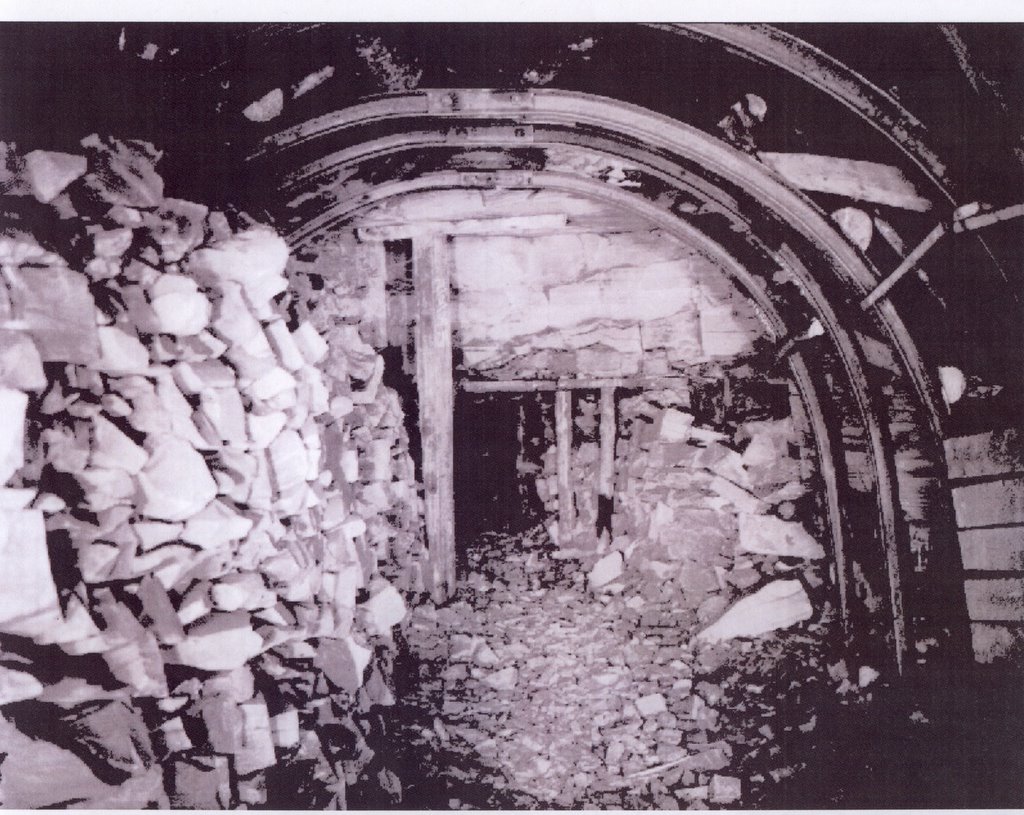
This was in Dover library labeled Emergency Exit, Snowdon. Puzzled, I asked George who used to work at Snowdon. 'This is an Emergency exit?" "Yes " he replied, obviously thinking my question unnecessary
I guess you have to hope there's no rockfall when you need to use the emergency exit-
Wednesday, November 02, 2005
Imaginary Russian Gold
I have been distracted from my original novel and just completed a draft of a short story about this poacher/miner , renamed again, for the moment Samuel Crowe,( I liked William Crowe but jokes about beaks and bills became too bothersome) and he has become a sort of detective. The first is based on the true story of the Buttyman in the previous post, only Crowe’s case is a bit less clear cut…
I have other Crowe stories in mind. I don’t know if they are a new direction or a step on the way to Uncle Reggie’s story, however they are easier to write, and I’m lazy. I can take a subject at a time, so doesn’t matter too much if I don’t know potato farming or brass bands or sick pay or how to swing a miner’s axe- I get to learn this stuff inch by inch.
There is so much to interest of Crowe: not all the migration was exclusively economic, nor were all the migrants miners before they came to Kent: some men were running from troubles: some were blacklisted militants, some were ostracized blacklegs, and some ran off with other men’s wives, some with other men’s money.
There were rootless men who moved from new coalfield to new coalfield, because the first seams sunk were easier to work, seen I think, as profiteers by other miners.
The new frontier town attracted some of the best and the worst, lots of tension, lots of stories.
At the back of all these stories there is some outlandish running mystery about a Russian donation to the Strike fund. Any twenties detective story needs a missing Russian treasure. Samuel knows more then he lets on.
Above all I love a man that can watch the change in flight of a woodpigeon and know that someone is moving towards him along the left side of the far field...
I have other Crowe stories in mind. I don’t know if they are a new direction or a step on the way to Uncle Reggie’s story, however they are easier to write, and I’m lazy. I can take a subject at a time, so doesn’t matter too much if I don’t know potato farming or brass bands or sick pay or how to swing a miner’s axe- I get to learn this stuff inch by inch.
There is so much to interest of Crowe: not all the migration was exclusively economic, nor were all the migrants miners before they came to Kent: some men were running from troubles: some were blacklisted militants, some were ostracized blacklegs, and some ran off with other men’s wives, some with other men’s money.
There were rootless men who moved from new coalfield to new coalfield, because the first seams sunk were easier to work, seen I think, as profiteers by other miners.
The new frontier town attracted some of the best and the worst, lots of tension, lots of stories.
At the back of all these stories there is some outlandish running mystery about a Russian donation to the Strike fund. Any twenties detective story needs a missing Russian treasure. Samuel knows more then he lets on.
Above all I love a man that can watch the change in flight of a woodpigeon and know that someone is moving towards him along the left side of the far field...
The Buttyman's Crime
The Dover Express for February 8th 1929, reported that a miner, 52 years old, (with wife and 7 children),was sent to trial for stealing the wages of three other miners from Chislet colliery. He said it must have fallen out of his pocket as he rode his motorbike to London
The stolen wages were for 3 pounds, 2 pounds 8 shillings and 3 Pound 2 shillings, also 2pound sick pay for another man. (these wages are noticeably lower then amounts quoted in my other sources which said that a miner in the Kent coalfield could earn 4 or even 5 pounds)
When I first read this story 2 things bothered me- What was the culprit doing with the other miners’ wages? And why were the wages always given in whole amounts of shillings?
Then I heard about the butty system of payment- In Richard Carter’s account of life in Aylesham it is explained like this-
‘The payment system was via a “ButtyMan”. He was a kind of gang leader and he collected the wages for the whole gang and decided who got what according to their contribution to any productivity bonus that had been earned. If you were not in the habit of standing the ButtyMan a pint of beer in the pub you could lose out on your bonus’
(Isn’t it Interesting that Richard Carter has given the buttyman an aristocratic double capital, like the local Overdog, Lord FitzWalter?)
In an interview in 1977 one old lady told the Kentish Gazette, that 'there would often be fights as the butties and the men were paid. Lots of them used to send down the wives for their money.If the men went it was likely their wages be stolen.’
At Snowdon the buttyman was in charge of a stall, he was given their wages with a docket showing their shift pay less deductions, he received no extra money for supervision so would dock the miners' pay . it seems that normally the miners pay was rounded down to the nearest shilling so 10 shillings 11 pence for a shift would become 10 shillings.(this explains why no pennies in the stolen pay of the Chislet miners) The system had been illegal since the 1870s but if a miner complained he could be moved from a good stall to a bad one. The source of Hughie Owen’s grievance ?
The system ended at Snowdon in 1932, but continued elsewhere in the Kent coalfield until 1936
The stolen wages were for 3 pounds, 2 pounds 8 shillings and 3 Pound 2 shillings, also 2pound sick pay for another man. (these wages are noticeably lower then amounts quoted in my other sources which said that a miner in the Kent coalfield could earn 4 or even 5 pounds)
When I first read this story 2 things bothered me- What was the culprit doing with the other miners’ wages? And why were the wages always given in whole amounts of shillings?
Then I heard about the butty system of payment- In Richard Carter’s account of life in Aylesham it is explained like this-
‘The payment system was via a “ButtyMan”. He was a kind of gang leader and he collected the wages for the whole gang and decided who got what according to their contribution to any productivity bonus that had been earned. If you were not in the habit of standing the ButtyMan a pint of beer in the pub you could lose out on your bonus’
(Isn’t it Interesting that Richard Carter has given the buttyman an aristocratic double capital, like the local Overdog, Lord FitzWalter?)
In an interview in 1977 one old lady told the Kentish Gazette, that 'there would often be fights as the butties and the men were paid. Lots of them used to send down the wives for their money.If the men went it was likely their wages be stolen.’
At Snowdon the buttyman was in charge of a stall, he was given their wages with a docket showing their shift pay less deductions, he received no extra money for supervision so would dock the miners' pay . it seems that normally the miners pay was rounded down to the nearest shilling so 10 shillings 11 pence for a shift would become 10 shillings.(this explains why no pennies in the stolen pay of the Chislet miners) The system had been illegal since the 1870s but if a miner complained he could be moved from a good stall to a bad one. The source of Hughie Owen’s grievance ?
The system ended at Snowdon in 1932, but continued elsewhere in the Kent coalfield until 1936
Saturday, October 29, 2005
On their bikes
The Durham miner project has some personal histories ,I liked especially the diary of Joseph Pickering.
Joseph Pickering doesn't leave the north, but he moves from coalfield to coalfield in the period of slump in miners' employment that lasted from the general strike until the war, and describes the black listing of some militants - the conditions driving the migration to the kent coalfields.
Even so, after coming to Kent, many left again, 300 families within the first two years alone- the heat of the mine, the lack of amenties, the chaotic frontier feel of the new town all contributing-
Joseph Pickering doesn't leave the north, but he moves from coalfield to coalfield in the period of slump in miners' employment that lasted from the general strike until the war, and describes the black listing of some militants - the conditions driving the migration to the kent coalfields.
Even so, after coming to Kent, many left again, 300 families within the first two years alone- the heat of the mine, the lack of amenties, the chaotic frontier feel of the new town all contributing-
Friday, October 28, 2005
Grandad - A Vigilante?
I've ditched a personal visit to Kew to find Grandad's service records. I can ask a researcher to find it for me, and if I'm lucky, and he's quick- may cost me just 15 pounds. Less then a trip would cost, even given that I'm going to the UK anyway.
Also plan to order Uncle Reggie's Inquest report from Kent Archives.Sure I've got the newspaper report( linked in the sidebar) -but I need to tackle the question I have been avoiding up to now-was my family protecting their crops or were they out for trouble?
I don't think so- but then I wouldn't? would I?
I have only the vaguest memories of Grandad in early childhood-the family blamed him for these events,I think.-(interesting that Aylesham-ers remember Misery farm as a place where a father accidentally shot his son)
I have got to like grandad, his comments seem dignified here and he is not tempted to use Reggie's death to inflame the situation . We'll see.
Also plan to order Uncle Reggie's Inquest report from Kent Archives.Sure I've got the newspaper report( linked in the sidebar) -but I need to tackle the question I have been avoiding up to now-was my family protecting their crops or were they out for trouble?
I don't think so- but then I wouldn't? would I?
I have only the vaguest memories of Grandad in early childhood-the family blamed him for these events,I think.-(interesting that Aylesham-ers remember Misery farm as a place where a father accidentally shot his son)
I have got to like grandad, his comments seem dignified here and he is not tempted to use Reggie's death to inflame the situation . We'll see.
Wednesday, October 26, 2005
Go tell it to the Marines
Dissatisfied with my sense of Grandad's character,I decided to get his military record, expecting it to come easy, after all,I have his military number.
My search took me to the national archive at Kew.Spent an hour or two fruitlessly, but persistently entering William Clark's service number, name, birthdate etc into the Royal Naval Seamens records online, before realising that marines records were not included.
I have learnt a lot researching this story, that's possible because I started from a base of astonishing ignorance, with a history education mostly by Hollywood.
Hollywood confused me because how could Grandad have been in a marine band? , he wasn't American!
But I learn- marines are naval soldiers who defend their ships, (American or not even the ancient Athenians had marines.) They were generally considered an elite force, but you have to counter that with one of my maternal grandmothers favourite sayings, 'Go tell it to the marines' (19th century British seaman thought Marines to be gullible).If Gran was also comenting on her daughter's father-jn-law, I can't say-it's possible she was a sly one.
Grandad must have run away and joined the Navy in the 1880's, the Royal Marine Band was not formed until 1902, up until then he would have been part of one of several naval bands.
I hope to get to Kew when I visit Mum shortly and find Grandads service record.
Well, now I know that Grandad ended up in Kent because it was the Royal Marine band's base , there he met Amelia, and retired to farm life, an old soldier's dream...
My search took me to the national archive at Kew.Spent an hour or two fruitlessly, but persistently entering William Clark's service number, name, birthdate etc into the Royal Naval Seamens records online, before realising that marines records were not included.
I have learnt a lot researching this story, that's possible because I started from a base of astonishing ignorance, with a history education mostly by Hollywood.
Hollywood confused me because how could Grandad have been in a marine band? , he wasn't American!
But I learn- marines are naval soldiers who defend their ships, (American or not even the ancient Athenians had marines.) They were generally considered an elite force, but you have to counter that with one of my maternal grandmothers favourite sayings, 'Go tell it to the marines' (19th century British seaman thought Marines to be gullible).If Gran was also comenting on her daughter's father-jn-law, I can't say-it's possible she was a sly one.
Grandad must have run away and joined the Navy in the 1880's, the Royal Marine Band was not formed until 1902, up until then he would have been part of one of several naval bands.
I hope to get to Kew when I visit Mum shortly and find Grandads service record.
Well, now I know that Grandad ended up in Kent because it was the Royal Marine band's base , there he met Amelia, and retired to farm life, an old soldier's dream...
Tuesday, October 25, 2005
Victorians with 'Tude
I've put some more photos in the library, my grandmother Amelia's parents marriage certificate and their grave in Ospringe churchyard.
But the only picture that sheds light on character in this saga is I think this grim picture of William Clark's parents whom he abandoned in Scotland when he was a boy.
But the only picture that sheds light on character in this saga is I think this grim picture of William Clark's parents whom he abandoned in Scotland when he was a boy.
Monday, October 24, 2005
See Miners Sword Dance!
British pathe have a wonderful collection of old films, you can download previews for free. One public information short for farmers on'Speeding up agriculture' (1916) which involves a puzzling pythonesque finale with explosives, also an' elder' miners choir, miners performing a sword dance, ladies in bonnets learning to race tractors, a couple of films aiming to recruit miners post nationilsatio/. I particularly liked the one which ended: 'Join the miners, the skilled men the nation will always need' and a school for young miners, and they look way too young. It took me hours to drag myself away.
But the potato farming films would not download, which is a tragedy. my writing is cruelly hampered by my lack of knowlege of potato farming techniques in the twenties..
My fictional miners are becoming a bit too sarcastic about the cluelessness of my fictional family..
But the potato farming films would not download, which is a tragedy. my writing is cruelly hampered by my lack of knowlege of potato farming techniques in the twenties..
My fictional miners are becoming a bit too sarcastic about the cluelessness of my fictional family..
Trouble at the Pit
Some notes on the trial of Hughie Owen cited by miner's leaders,Turner and Lawther here
On July 6th 1929 Hughie John Owen was tried for assaulting John Allcock, a deputy at Snowdon. He was sent to stall 105, he refused, he could not get on with the other men, they were from Derbyshire, he was Welsh. After arguing a little he left the pit.
When the deputy left Owen followed him to the railway bridge, where Owen said he tried to talk to Allcock. Allcock wouldn't listen:" Don't bother me." Another miner gave testimony against Owen, (this seems unusual)
The account says Owen struck a blow that caused Allcock's nose to bleed for sixteen hours, then hit him in the face again when Allcock was lying on the ground.
I don't have a transcript of this account, the gadget fur copying microfilm wasn't working on my second day in the library. It's a pity as my notes, taken from the Express trial report differ in two respects to the report linked above (written the following month), firstly the Express in it's later account claims a chest blow as well as the facial blows in my notes, Lawther says he got 2 months hard labour, I noted one month.
Both newspaper accounts make the assault sound brutal, but of course,the reporter is not on Owen's side. The incident also illustrates another difficulty facing the newcomers, miners were coming from depressed coalfields all over the UK.
Radio and mass transport were only just beginning. Some areas of the UK were still very isolated, not only were they coming to a 'strange land', but the other miners were foreign too, with many different dialects and ways. Some would have left their home village for the first time.
It's also possible that Owen was being baited, perhaps because he was a Welshman, perhaps because he had been mouthy,he may have been deliberately given a stall where he was unpopular. Unwanted stalls were sometimes a method of punishmentl.
On July 6th 1929 Hughie John Owen was tried for assaulting John Allcock, a deputy at Snowdon. He was sent to stall 105, he refused, he could not get on with the other men, they were from Derbyshire, he was Welsh. After arguing a little he left the pit.
When the deputy left Owen followed him to the railway bridge, where Owen said he tried to talk to Allcock. Allcock wouldn't listen:" Don't bother me." Another miner gave testimony against Owen, (this seems unusual)
The account says Owen struck a blow that caused Allcock's nose to bleed for sixteen hours, then hit him in the face again when Allcock was lying on the ground.
I don't have a transcript of this account, the gadget fur copying microfilm wasn't working on my second day in the library. It's a pity as my notes, taken from the Express trial report differ in two respects to the report linked above (written the following month), firstly the Express in it's later account claims a chest blow as well as the facial blows in my notes, Lawther says he got 2 months hard labour, I noted one month.
Both newspaper accounts make the assault sound brutal, but of course,the reporter is not on Owen's side. The incident also illustrates another difficulty facing the newcomers, miners were coming from depressed coalfields all over the UK.
Radio and mass transport were only just beginning. Some areas of the UK were still very isolated, not only were they coming to a 'strange land', but the other miners were foreign too, with many different dialects and ways. Some would have left their home village for the first time.
It's also possible that Owen was being baited, perhaps because he was a Welshman, perhaps because he had been mouthy,he may have been deliberately given a stall where he was unpopular. Unwanted stalls were sometimes a method of punishmentl.
Saturday, October 22, 2005
Misery Farm- a Recap
This is the beginning of a recap of the Misery farm Story.I intend to finish it and cover
13/8/06
Strangers in a Strange land- The Story so far
Title is stolen from Arthur Cochlin, an miner, who, at the conclusion to the inquest into his wife's suicide (debt and illness)held in the Greyhound Pub, Aylesham in May 1929 quoted the bible:” I am a Stranger in a
A Family Myth
My Dad’s funeral in 2001 did not run smoothly, Mum’s dementia and my grandchildren’s ADHD/aspergers all happened to be at their loudest and most disruptive.I’d best not mention the shenanigans with Auntie Z and the priest, I have yet to scatter Dad’s ashes because I want to be sure they’re his- but I guess who ever it is in the box on top of my wardrobe deserves a better view.
.
In spite of all this was a bit of quiet time for conversation , plus the best gluten free buffet ever, the pace barely interrupted by Mum removing her incontinence pad.
It was then that the talk turned to a tragic episode in dad’s adolescence, a story Dad never told, one the family was so reticent about that my cousin(son of another brother) said he had never heard it.
An incident to which the family ascribed - (without ever mentioning or clarifying the Incident- in that clever way families have), any character defects perceived in Dad; his shyness or forgetfulness -
It went like this-
Points every story teller agreed on (but not necessarily true)-
1/ One night Dad was camping with big brother Reggie
2/ Dad was 13 years old
2/ Reggie, was handsome, cool and Reggie Clark would have taken
3/ Uncle Reggie was shot.
4/ The family had a farm
5/ The shooting was accidental
Where the storytellers conficted
1/ The farm was on
2/ The farm was in
3/ Or Maybe
4/ The Brothers were on a pleasure trip- hunting, perhaps OR
5/ The brothers were defending their crop from striking miners.
6/ A mine had opened at the end of their farm, or maybe housing for miners.
7/ A dog knocked over the shotgun causing the accident.
8/ The
That year my cousin tracked the farm down to Ackholt in
Last summer(2005) I returned to this story.(perhaps in an attempt to make up to Dad for the funeral business)


Canny Poacher
I have grown fond of Basil Newington ,the poacher . He is older, wiser and cooler then the other miners hauled before the courts that week. The youngsters are angry, in the press reports their anger is used to make them sound foolish,he knows confrontation will get him nowhere. His friend gives a false name and gets away with it, that ploy won't work for Basil, the police and game keepers know him. But he maintains the fiction of 'Jackson's name.
Interesting that the courts never make an issue of miners naming the ones that got away.
Both the apprehended poachers are off sick , I'm guessing it would be really tough to put in a full week at Snowdon, even for a man just a bit under the weather. And there were severe pay penalties for missing a day.
I suspect that Basil is now a semiprofessional poacher, providing the miners families with the rabbit, which East Kent Memories would suggest was the major protein source for Kentish miners in the twenties and thirties.
His laconicness makes him seem different to the other miners, the Aylesham miners are extraordinary: a never ending source of energy powes them, they work in those conditions and then they come out and play football and cricket, the brassband, whist, garden, box, run a half marathon, drink, protest, sing the red flag at a Nancy Astor meeting, go to church, these guys have some mythic source of energy, but my Basil's energy reserves are running low.
Could the heat of the mine speed their metabolism? Or were all miners like this?
A fictional character based loosely on Basil has started to take root for me.
He's currently called Edmund, he was once active in the union but is tired , rather then disillusioned. He's canny,and a countryman, a birdwatcher, he has have been around a bit. Got a Flemish widow pregnant in Ypres, stayed there for a while after the war, tempted by a cow , a cottage , a horse a field. I'm not sure yet if he has returned to his English wife, or brought the Belgian girl to Aylesham.
So he has learnt some farming, is careful about crops and sheep, until that disastrous month Basil may have benefited from some of the farmers toleration. It may not have been easy to have the landowners protected game on their fields.
Maybe they even tipped him off in a manly sort of way:" if you are walking near old court tell Mr Hope(gamekeeper...)"
He will offer a more modern viewpoint off the other characters, he has the ability to lead to smooth things over a bit, I'm not sure he will, he is his own man.
Interesting that the courts never make an issue of miners naming the ones that got away.
Both the apprehended poachers are off sick , I'm guessing it would be really tough to put in a full week at Snowdon, even for a man just a bit under the weather. And there were severe pay penalties for missing a day.
I suspect that Basil is now a semiprofessional poacher, providing the miners families with the rabbit, which East Kent Memories would suggest was the major protein source for Kentish miners in the twenties and thirties.
His laconicness makes him seem different to the other miners, the Aylesham miners are extraordinary: a never ending source of energy powes them, they work in those conditions and then they come out and play football and cricket, the brassband, whist, garden, box, run a half marathon, drink, protest, sing the red flag at a Nancy Astor meeting, go to church, these guys have some mythic source of energy, but my Basil's energy reserves are running low.
Could the heat of the mine speed their metabolism? Or were all miners like this?
A fictional character based loosely on Basil has started to take root for me.
He's currently called Edmund, he was once active in the union but is tired , rather then disillusioned. He's canny,and a countryman, a birdwatcher, he has have been around a bit. Got a Flemish widow pregnant in Ypres, stayed there for a while after the war, tempted by a cow , a cottage , a horse a field. I'm not sure yet if he has returned to his English wife, or brought the Belgian girl to Aylesham.
So he has learnt some farming, is careful about crops and sheep, until that disastrous month Basil may have benefited from some of the farmers toleration. It may not have been easy to have the landowners protected game on their fields.
Maybe they even tipped him off in a manly sort of way:" if you are walking near old court tell Mr Hope(gamekeeper...)"
He will offer a more modern viewpoint off the other characters, he has the ability to lead to smooth things over a bit, I'm not sure he will, he is his own man.
Thursday, October 20, 2005
Call Bird: the Crow, the Human Being
My guide to Kentish dialect says that scrumping kids appointed a look out called a call bird, after the habit of jays and other crows of having one bird on guard when feeding on a crop.
It brought back to me wryly the confusion at the inquest- if the shot gun was to scare miners or rooks?
In this story of migrants, subject to prejudicial judgments, fuelled by economic necessity- birds are a metaphor of sorts-
From the condemnation of magpies on circumstantial evidence damning them for songbird declineto to the destruction of skylarks nests as the economic rewards for industrial methods by farmers intensifies(In Kent in the twenties farmworkers marked the position of the nests.)
Miners, small farmers and many bird species have this in common, they have passed through the mill of the twentieth century with their numbers in steep decline.
It brought back to me wryly the confusion at the inquest- if the shot gun was to scare miners or rooks?
In this story of migrants, subject to prejudicial judgments, fuelled by economic necessity- birds are a metaphor of sorts-
From the condemnation of magpies on circumstantial evidence damning them for songbird declineto to the destruction of skylarks nests as the economic rewards for industrial methods by farmers intensifies(In Kent in the twenties farmworkers marked the position of the nests.)
Miners, small farmers and many bird species have this in common, they have passed through the mill of the twentieth century with their numbers in steep decline.
The Super Incredible Shrinking Pay Packet
There were national miners strikes over reductions in miners pay in 1920 and, later in 1926 In 1922 Snowdon mine was on strike over reduced pay locally.The company went into receivership. Pearson Dorman and Long took over and planned a new miners village. Work was started auspiciously in 1926. In the General Strike of that year Snowdon went back earlier then the other Kent coalfields.( possibly since the mine had only just reopened they had fewer resources to survive on strike pay of a 1s a day} .
Miners militancy that year brought a lively fear of revolution to the wealthier classes, more so than in any other year last century.
By the end of 1928 snowdon miners were on strike again. They had been promised a higher rate of pay in Snowdon.- A guaranteed rate of pay of 11sh 6d per shift working 5 to 6 shifts a week, the district rate was 11sh 4d a shift or less. The higher rate for Snowdon reflected the greater depth of its seams, the shift rate was for an 8 hour day but did not include travel time, which could be considerable when the seam was 3000 feet down. Also the rate reflected the conditions of working and difficulty of mining those seams
The strike began on 16th November 1928 , the company reopened the mine 10 days later- 96 men reported for work passing a bitter crowd at the pithead,a blackleg was injured, despite 70 strong police protection the next morning just 40 men reported for work .
By midJanuary of '29, the pit was back at work, forced to accept lower pay. But rumours of another strike ballot persisted through the Spring, Tillmanstone and Chislet decided not to join Snowdon in another strike, they were afraid it would provide an excuse to attack wage rates further. Frank Turner, never one to resist a challenge, wanted to take the company to court on behalf of the men on reduced pay.
1929 was for Snowdon , a year as bitter as '26.
Miners militancy that year brought a lively fear of revolution to the wealthier classes, more so than in any other year last century.
By the end of 1928 snowdon miners were on strike again. They had been promised a higher rate of pay in Snowdon.- A guaranteed rate of pay of 11sh 6d per shift working 5 to 6 shifts a week, the district rate was 11sh 4d a shift or less. The higher rate for Snowdon reflected the greater depth of its seams, the shift rate was for an 8 hour day but did not include travel time, which could be considerable when the seam was 3000 feet down. Also the rate reflected the conditions of working and difficulty of mining those seams
The strike began on 16th November 1928 , the company reopened the mine 10 days later- 96 men reported for work passing a bitter crowd at the pithead,a blackleg was injured, despite 70 strong police protection the next morning just 40 men reported for work .
By midJanuary of '29, the pit was back at work, forced to accept lower pay. But rumours of another strike ballot persisted through the Spring, Tillmanstone and Chislet decided not to join Snowdon in another strike, they were afraid it would provide an excuse to attack wage rates further. Frank Turner, never one to resist a challenge, wanted to take the company to court on behalf of the men on reduced pay.
1929 was for Snowdon , a year as bitter as '26.
Wednesday, October 19, 2005
Aylesham Romeo lived next door to Grandad
Clive Webb of the history of Nonington site has clarified some points for me:-
I have seen a copy of this photo before, neither myself or my late father, who was born in the parish in the 1920's, nor my mother, who lived in Aylsham in the 1930's have been able to identify the view.
Thanks, Clive I'm not yet totally convinced. I grant you the house does look very wrong, but even in the picture is in the process of alterations, I think. The cottages could be the ones demolished in the fifties? if you stand to the left of the house with Ackholt wood behind you cant the farm lokk pretty flat?
I guess I just need time to give up my claim to this photo.
Clive, my server is blocking your aol address, I have had to send a reply to the Noning ton site, hope you get it.
- He is clear that this picture is not Ackholt farm , he says- farm house looks nothing like. land too flat. he doesnt and there are no buildings such as the ones shown.
I have seen a copy of this photo before, neither myself or my late father, who was born in the parish in the 1920's, nor my mother, who lived in Aylsham in the 1930's have been able to identify the view.
Thanks, Clive I'm not yet totally convinced. I grant you the house does look very wrong, but even in the picture is in the process of alterations, I think. The cottages could be the ones demolished in the fifties? if you stand to the left of the house with Ackholt wood behind you cant the farm lokk pretty flat?
I guess I just need time to give up my claim to this photo.
- Clive confirms that the the farm is still part of the Fitzwalter estate, so my family would have been tenant farmers ( not owners as we first thought).
- Clive says Frank Turner married the daughter of a Mr Hope, a gamekeeper of Lord Fitzwalter's and lived opposite Ackholt farm in keepe's cottage
Clive, my server is blocking your aol address, I have had to send a reply to the Noning ton site, hope you get it.
Tuesday, October 18, 2005
Early History of Misery
Here's a link to a Nonington history site, and a page on Ackholt, it's history as a hamlet and farm, mentions Misery farm, apparently Grandad would have pronounced Ackholt differently to the migrants of the twenties, whose new pronounciation holds to the present day, and at the bottom -a map of the farm in the twenties.
Labouring in the Fields of Asparagus
Letters written by children of market gardeners living in Badsey in the Vale of Evesham in 1922.
Growing mostly asparagus and fruit , kids had beautiful handwriting and worked very hard.
We have a friend in Belgium for whom the thick white asparagus preferred here to the thin green english favourites brings back only the memory of daily drudgery and back pain on his parents farm. Once a year we get a gift of a parcel of it, he always winces as he gives it as if offering something loathly.
-I am not sure why onions needed so much laborious tying?
Growing mostly asparagus and fruit , kids had beautiful handwriting and worked very hard.
We have a friend in Belgium for whom the thick white asparagus preferred here to the thin green english favourites brings back only the memory of daily drudgery and back pain on his parents farm. Once a year we get a gift of a parcel of it, he always winces as he gives it as if offering something loathly.
-I am not sure why onions needed so much laborious tying?
Subscribe to:
Posts (Atom)